
Acupuncture
Tejal Patel, Dipl. OM (NCCAOM), LAc is a licensed acupuncturist specializing in Japanese Acupuncture using gentle palpation and needling techniques to find the root of health concerns. Her individualized treatments use a comprehensive approach focused on strengthening the body’s vital Qi while resolving the presenting symptom.
Japanese Acupuncture in Raleigh N.C.
Japanese acupuncture focuses on treating the root and branch of diseases utilizing the five-phase points. The root refers to the underlying imbalance in the person’s constitution and vital Qi that has given way to the presenting symptom (the branch). Your genetic predisposition, medical history, mental-emotional health, and lifestyle habits all contribute to your unique constitution. To simplify this idea, consider your constitution as the roots of a tree and your symptoms as its leaves. When the root system is not receiving adequate attention and nourishment, this may show up as withered and dried-up leaves.
Key Features of Japanese
Acupuncture
Japanese Acupuncture focuses on:
- gentle insertion and subtle needle technique to stimulate deep healing and improve overall circulation
- a comprehensive approach that addresses both the causes and symptoms of a person's condition, nudging the body back into balance
- an emphasis on palpation and pulse taking as diagnostic tools to understand the deeper undercurrents and subtle signs of your unique whole-health picture
Gentle Needling
Japanese acupuncture is a gentle style of acupuncture with many non-insertive & needle-free options available making it an ideal choice for sensitive patients and those who are apprehensive about needles.
The Meridians
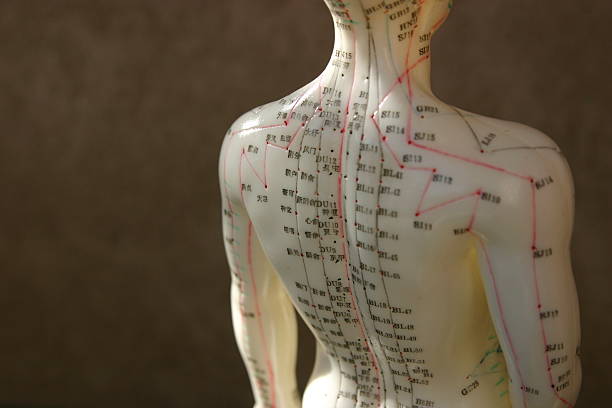
In Oriental medicine, the body is mapped out into pathways called meridians. Each meridian correlates with a specific organ, such as the liver or kidneys and also connect to each other. Japanese acupuncture, or Japanese Meridian therapy uses various diagnostic techniques to determine which meridian needs attention, such as pulse diagnosis, abdominal diagnosis, palpating or feeling each meridian as well as asking you many questions. Once a diagnosis is made, treatment techniques are applied to regulate the meridians- which might be too strong or weak- and to support the vital Qi of the body.
Patients often feel energized and calmer after acupuncture treatments, which is intended to improve resilience and prevent chronic illness.
Research Articles
Japanese Acupuncture: A Complementary Approach to the Meridian Balance Method
https://pubmed.ncbi.nlm.nih.gov/36110091/
